
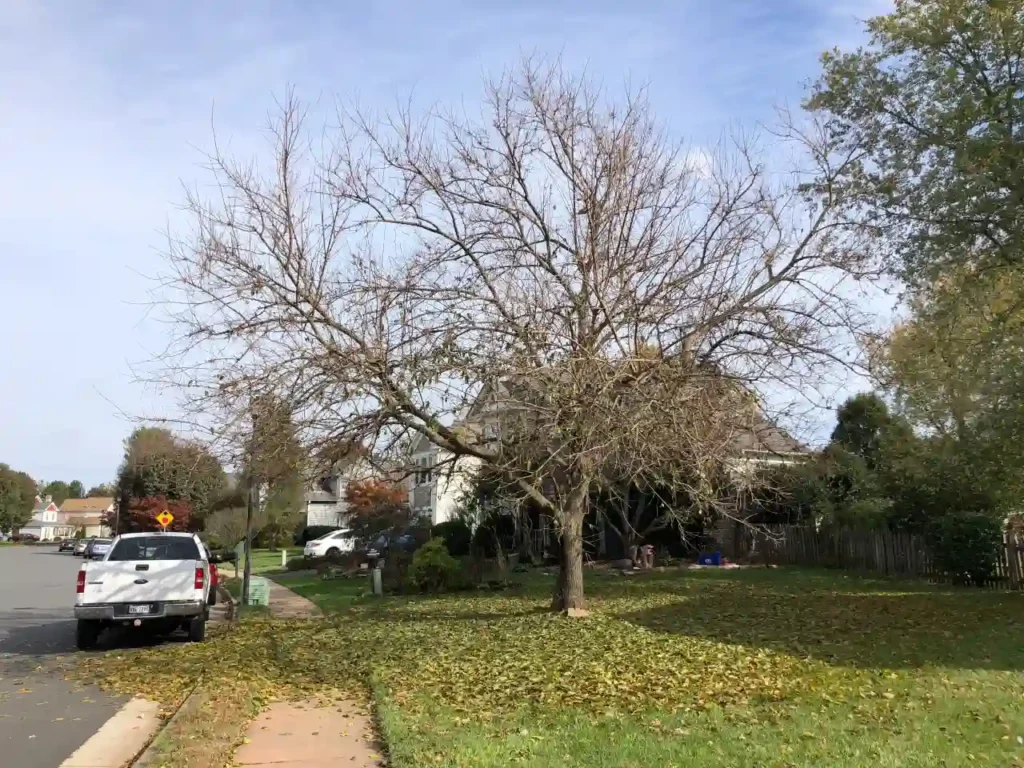
Seeing leaves fall from your tree in the middle of summer can be worrying. Most homeowners expect leaf drop to happen in autumn, so when it begins earlier it often raises concerns about tree health. In many cases, trees shedding leaves during summer are responding to stress caused by environmental conditions, pests, disease, or root problems.
In gardens across the United Kingdom, particularly in coastal areas such as Bournemouth and Dorset, trees can experience a range of seasonal pressures that lead to early leaf loss. Understanding the causes behind summer leaf drop can help you determine whether the issue is temporary or whether your tree may need professional attention.
Is It Normal for Trees to Lose Leaves in Summer?
While it may seem unusual, trees losing leaves during summer is not always a sign that something is seriously wrong. Many deciduous trees respond to environmental stress by shedding some of their leaves to conserve energy.
Leaves play a crucial role in photosynthesis, allowing trees to convert sunlight into the nutrients they need to grow. However, when a tree experiences stress, it may reduce the number of leaves it supports in order to protect its overall health.
This process is sometimes referred to as stress-induced leaf drop, and it can occur when trees are exposed to drought conditions, excessive heat, or poor soil moisture. In these situations, shedding leaves helps the tree reduce water loss and survive difficult conditions.
However, if a tree begins losing a large number of leaves or shows other symptoms such as discolouration, dying branches, or visible disease, it may indicate a deeper problem that requires investigation.
Drought Stress and Lack of Soil Moisture
One of the most common causes of summer leaf drop in UK gardens is drought stress. During prolonged dry periods, the soil surrounding a tree can lose moisture, making it difficult for the roots to absorb enough water.
Trees rely on a stable root system to transport water and nutrients through the trunk and into the canopy. When soil moisture levels drop significantly, the tree may respond by shedding some of its leaves to reduce water demand.
Young trees and newly planted trees are particularly vulnerable to drought stress because their root systems are not yet fully established. Even mature trees can struggle during extended periods of dry weather, especially if the soil is compacted or drains poorly.
Signs of drought stress in trees may include:
- leaves turning yellow or brown
- curling or wilting foliage
- early leaf drop during summer
- dry or cracked soil around the base of the tree
Regular watering and proper soil care can help reduce the risk of drought-related leaf loss.
Heat Stress and Leaf Scorch
High temperatures can also affect tree health. When trees are exposed to excessive heat, the leaves may become damaged in a condition known as leaf scorch.
Leaf scorch occurs when water evaporates from the leaves faster than the roots can replace it. This often leads to brown edges on leaves, dry patches, and eventually leaf drop.
In coastal areas of southern England, strong sunlight combined with wind exposure can increase the risk of heat stress. Trees growing in open gardens without shade or protection are often the most affected.
Heat stress does not always cause permanent damage, but repeated exposure can weaken a tree over time, making it more vulnerable to pests and disease.
Pests That Affect Tree Leaves
Insects are another factor that can contribute to early leaf loss. Certain pests feed on tree leaves or sap, weakening the foliage and causing it to fall prematurely.
Common pests that affect trees in UK gardens include:
- aphids
- caterpillars
- beetles
- leaf miners
Aphids, for example, feed on plant sap and can weaken leaves while also producing a sticky substance known as honeydew. Caterpillars may chew through leaves, leaving visible damage that affects the tree’s ability to perform photosynthesis.
When pest populations grow large, the stress placed on the tree may trigger early leaf drop as the plant attempts to protect itself.
Regular inspection of leaves and branches can help identify pest problems early before they become more serious.
Tree Diseases and Fungal Infections
Tree diseases are another important cause of summer leaf loss. Many fungal infections affect the leaves directly, causing spots, discolouration, or premature shedding.
Common fungal problems affecting UK trees include:
- leaf spot diseases
- powdery mildew
- root rot
- fungal cankers
Leaf spot diseases often appear as dark patches or irregular markings on the surface of the leaves. As the infection spreads, the affected leaves may fall from the tree earlier than normal.
Root rot, on the other hand, affects the underground root system. When roots become infected, they struggle to absorb water and nutrients, leading to stress symptoms throughout the tree canopy.
Diseases can weaken a tree over time, so early identification and proper care are essential for maintaining tree health.
Root Damage and Soil Compaction
A healthy root system is essential for the stability and growth of any tree. Roots anchor the tree into the soil while also absorbing water, oxygen, and nutrients needed for survival.
When the root system becomes damaged, the effects often appear in the canopy. Early leaf drop is one of the most common symptoms of root stress.
Root damage can occur due to several factors:
- construction work near trees
- heavy foot traffic compacting the soil
- poor drainage conditions
- damage caused by machinery or landscaping work
Compacted soil prevents oxygen from reaching the roots and restricts water movement through the ground. This creates an environment where roots struggle to function properly, leading to visible stress in the leaves and branches.
In some cases, root problems may develop slowly and become noticeable only after several seasons.
Natural Seasonal Stress
Sometimes trees shed leaves early simply as part of a natural response to environmental conditions. Sudden weather changes, wind exposure, or variations in rainfall can cause temporary stress that results in partial leaf drop.
Certain tree species are also more prone to early leaf shedding than others. Deciduous trees, which naturally lose their leaves each year, may begin this process earlier if the tree experiences stress during the growing season.
In these cases, the tree is not necessarily dying. Instead, it is adjusting to protect its long-term survival.
Monitoring the overall health of the tree, including branch growth and new leaf development, can help determine whether the problem is temporary.
Signs Your Tree May Need Professional Attention
While some leaf drop is normal, there are situations where a tree may require professional assessment. Homeowners should pay attention to warning signs that indicate the tree may be struggling.
These signs include:
- large amounts of leaves falling suddenly
- branches dying or becoming brittle
- unusual spots or fungal growth on leaves
- visible cracks in the trunk
- the tree leaning or becoming unstable
When these symptoms appear together, it may indicate that the tree is suffering from disease, root damage, or structural weakness.
Professional tree surgeons have the training and equipment to inspect trees safely and identify the underlying cause of the problem.
Helping Trees Recover From Summer Leaf Loss
In many cases, simple care can help a stressed tree recover. Maintaining healthy soil conditions and providing adequate water are two of the most important steps homeowners can take.
Applying mulch around the base of the tree can help retain soil moisture and regulate temperature. It is also helpful to avoid compacting the soil by limiting heavy traffic around the root zone.
Regular inspections can also help detect problems early. Checking leaves, branches, and bark throughout the growing season allows homeowners to notice changes before they develop into serious issues.
Healthy trees are more resilient to environmental stress, pests, and disease.
When to Contact a Tree Surgeon
If a tree continues to lose leaves throughout the summer or shows additional signs of decline, it may be time to seek professional advice.
A qualified tree surgeon can assess the condition of the tree, inspect the root system, and identify potential diseases or structural problems. Early intervention often helps prevent further damage and can extend the lifespan of the tree.
Professional tree care services may include pruning, disease management, soil improvement, or in some cases safe tree removal when a tree becomes hazardous.
Final Thoughts
Trees losing leaves in summer can be caused by several factors, including drought stress, heat exposure, pests, disease, and root problems. While occasional leaf drop may simply be a response to environmental conditions, persistent symptoms should not be ignored.
Understanding how trees respond to stress helps homeowners recognise when their trees need additional care. By maintaining healthy soil conditions, monitoring for pests and disease, and seeking professional advice when necessary, it is possible to protect the long-term health of garden trees across the United Kingdom. If you are unsure about the condition of your tree, the team at Tree Solutions can provide professional advice and tree care services to help keep your garden trees healthy and safe.