
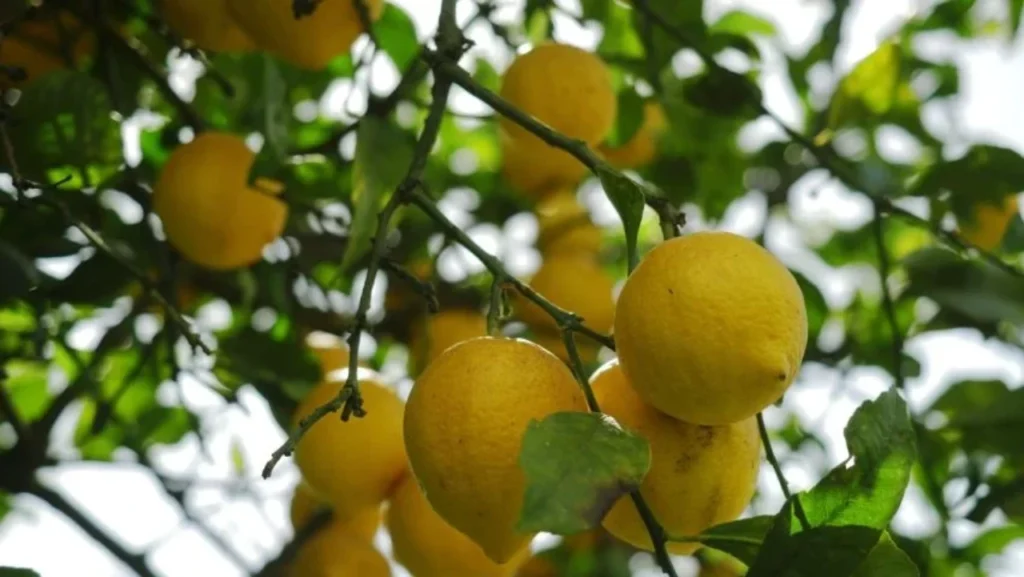
Yes, you can grow Mediterranean fruit in Dorset. Olives, figs and even some citrus thrive in a sheltered, sunny spot along the south coast, helped by our mild winters and warm garden walls. The secret is simple: choose the right variety, give it free-draining soil, and offer a little frost protection when the cold sets in.
There is something quietly joyful about picking a fig from your own garden on a warm September morning. For a long time, that felt like a holiday memory rather than a British reality. Yet gardens in Bournemouth and across the Dorset coast are some of the best placed in the country to make it happen.
Can You Really Grow Mediterranean Fruit in Dorset?
Yes, with a few sensible choices. Mediterranean fruit trees evolved for hot, dry s1ummers and mild winters, so they will never be quite as carefree here as a native hawthorn. But our gradually warming climate has shifted the odds in your favour, and olives and figs in particular are now cropping more reliably in sheltered southern gardens than they did a decade ago.
The trick is to think like the plant. Give it sun, shelter and soil that drains well, and it will reward you. Ignore those three things and even the hardiest olive will sulk.
Why Bournemouth and the Dorset Coast Suit Mediterranean Trees
Coastal Dorset has a gentle secret. The sea keeps our winters milder than much of inland Britain, so frosts here tend to be lighter and shorter. That matters enormously to a tree that dislikes prolonged cold.
A garden near the coast also tends to enjoy plenty of sunshine and, very often, naturally free-draining sandy soil. That sandy ground, so common across Bournemouth, is actually a gift for Mediterranean trees, because the thing they fear most is not cold but wet feet. Many experienced growers will tell you the same thing: poor drainage kills more olive trees than low temperatures ever do.
The one challenge our coast brings is wind. Salt-laden gusts can scorch tender leaves, so the goal is always a sheltered, sunny corner rather than an exposed seafront border. If wind is a constant problem in your garden, you may find our guide to [choosing wind-resistant trees for coastal gardens] useful for planning shelter and screening.
Growing Olive Trees in a Dorset Garden
The olive, Olea europaea, is the most achievable Mediterranean fruit tree for British gardens. A mature olive brings a beautiful, silvery, evergreen presence to a garden even in the years it does not fruit.
Best Olive Varieties for UK Coastal Gardens
Choosing a hardy, reliable variety is half the battle. Arbequina and Leccino are widely regarded as the two most dependable choices for our gardens, and both are self-fertile, meaning a single tree can fruit on its own. Leccino is the toughest of the two, comfortably handling short spells down to around minus twelve degrees, while Arbequina is also very well suited to British conditions.
If space is tight, Cipressino is worth knowing about. It is a compact, upright, columnar variety that suits pots and coastal gardens, which makes it ideal for flanking a doorway or growing in a narrow border.
Where to Plant Your Olive Tree
Pick the sunniest, most sheltered spot you have. A south-facing position with a brick wall behind it works beautifully, because the wall stores heat through the day and releases it slowly in the evening, acting like a gentle storage heater for your tree.
Soil matters just as much. Olives need ground that drains freely. They can be planted directly into the soil in a very sheltered town garden, but they are often happier in large containers that can be moved to a frost-free spot over winter. Plant ground-grown olives in spring against a sunny wall, and if your soil is heavy, add plenty of grit or grow in a large pot instead.
Will Your Olive Tree Actually Fruit?
Here is where a little honesty helps. An olive will grow happily for its looks alone, but fruiting is less certain. Trees tend to fruit reliably in southern England after a hot summer, and rarely further north. The Dorset coast sits in that favourable zone, so after a good warm summer you have a genuine chance of a crop. Even then, fully ripe black olives are a bonus rather than a guarantee, so treat any harvest as a happy reward.
Growing Figs Against a Warm Wall
If olives are the most elegant Mediterranean tree, figs are the most generous. Fig trees thrive in sunny, sheltered positions and are very well suited to UK gardens, with many established trees producing fruit within one to two years.
The Best Fig Varieties for Britain
A handful of varieties perform beautifully in our climate. Brown Turkey is the classic, dependable choice and the easiest to find in garden centres. For something a little special, varieties such as Rouge de Bordeaux and the Brogiotto types also do well here, offering richer, sweeter fruit.
Why Root Restriction Helps Figs Fruit
Here is the lovely quirk of growing figs. They actually crop better when their roots are restricted, which is why growing them in a container works so well. A fig given too much rich, open soil pours its energy into leaves rather than fruit. Confine it to a large pot, or a contained planting pit, and it focuses on producing figs instead.
Give your fig a sunny wall, water it well in its first year, and go easy on high-nitrogen feed, which encourages leaf at the expense of fruit. A little annual shaping keeps it productive, and if you are unsure how to prune without losing next year’s crop, our [tree surgery service] can help you get the timing and technique right.
Growing Citrus: Lemons, Limes and Oranges
Citrus is the most ambitious of the three, and the most honest advice is to manage your expectations. Most citrus is not hardy and will not survive a British winter outdoors, with many varieties struggling once temperatures drop below around seven to ten degrees.
The realistic approach is to grow lemons, limes or oranges in attractive containers. Stand them outside in a sunny, sheltered spot through summer, then move them into a frost-free porch, conservatory or greenhouse for winter. A regular citrus feed through the growing season keeps them healthy and encourages flowers and fruit. Treat citrus as a movable summer pleasure rather than a permanent garden tree, and you will enjoy it far more.
Protecting Your Mediterranean Trees Through a Dorset Winter
Even on the mild south coast, a hard frost can arrive, so a little planning protects your trees.
For olives and figs grown in the ground, the main job is wrapping the canopy in horticultural fleece when a hard frost is forecast, then adding a winter mulch around the base to insulate the roots. The mulch does double duty, helping to regulate soil moisture through the rest of the year too.
One word of caution about olives in particular. Do not bring them indoors for winter. They need a cold dormancy period, and the warmth of central heating causes leaf drop and weak growth. Leave them outside and simply shelter them when frost threatens. Citrus, by contrast, is the one group that genuinely needs to come inside.
Common Questions About Growing Mediterranean Fruit in the UK
Can you grow olive trees outside in the UK?
Yes. Hardy varieties such as Leccino and Arbequina survive outdoors across much of the UK, especially in sheltered southern and coastal gardens, as long as the soil drains freely.
Will a fig tree fruit in a British garden?
Yes. Figs fruit well in a sunny, sheltered spot, and restricting their roots in a pot or planting pit actually encourages a better crop.
Can lemon trees survive winter outside in Dorset?
No. Lemons and most other citrus are not frost hardy and should be moved into a frost-free space such as a conservatory or porch for winter.
Which Mediterranean fruit is easiest to grow here?
Figs are the most forgiving and quickest to fruit, followed by olives for their hardiness and good looks. Citrus is the most demanding.
How cold can an olive tree tolerate?
Hardy varieties can handle short spells down to around minus ten to minus twelve degrees, though prolonged wet and cold is more dangerous than the cold alone.
When to Call a Tree Specialist
Mediterranean trees are mostly low maintenance, but they still benefit from the right pruning to keep their shape, stay healthy and fruit well. If your olive or fig has grown leggy or congested, or you are simply unsure how to prune it without harming next year’s crop, a qualified local tree specialist can help you get it right.
Good advice early on saves a much bigger job later, and keeps your little piece of the Mediterranean thriving for years to come. To talk through your trees with a friendly local team, get in touch with us for honest advice and a no-obligation quote.