
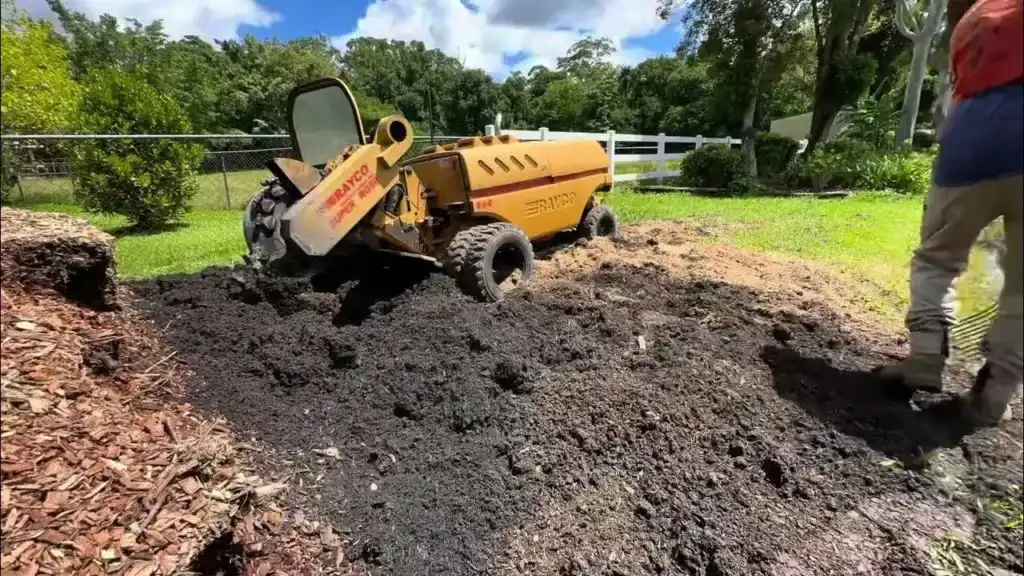
Weather plays a much bigger role in stump grinding than most homeowners realise. While stump grinding looks like a simple mechanical process, the truth is that moisture, temperature and soil conditions can significantly change how smoothly, safely and efficiently the job goes. At Tree Sol, we regularly deal with projects affected by rain, frost, mud and frozen soil, and we’ve learned how different weather patterns create unique challenges.
How Weather Conditions Affect Stump Grinding
Weather conditions play a pivotal role in the stump grinding process, significantly affecting stump grinding. Wet soil and cold temperatures present unique challenges. Understanding these factors is crucial for both homeowners and professional tree companies ensure successful stump grinding. Scheduling becomes difficult.
Unique Challenges Faced During Stump Grinding Projects
Stump grinding projects can face unique challenges, especially when the weather takes a turn for the worse. Several specific weather-related issues can cause delays, including:
- Wet conditions leading to slippery ground, which hinders heavy machinery operation.
- Cold temperatures that can freeze the ground, making it difficult to grind the stump.
Impact of Ground Conditions on Stump Grinding Success
Ground conditions are paramount for successful stump grinding. Several ground conditions can impede the stump grinding process, including:
- Frozen soil
- Muddy soil
- Wet soil
These conditions affect stump grinder performance, with poor stability from wet soil and hardness from frozen ground being key factors.
Stump Grinding in Wet Weather
Stump grinding in wet weather requires caution and planning. Heavy rain softens soil, reducing traction and increasing machine sink risk. Operators should inspect site, mark hazards, and use mats or boards to distribute weight. Wet conditions magnify debris and clumping, so frequent clearing and sharp blades help maintain efficiency. Schedule work during lighter conditions when possible, and wear waterproof protective gear. Proper technique minimizes damage and keeps crews safe too.
Can You Grind a Stump in Wet Weather?
The question “can you grind a stump in wet weather” is common. While technically possible, stump grinding in wet conditions presents several challenges. Excess moisture can affect the grinding equipment and make the surrounding area muddy.
Muddy Soil Stump Grinding Problems
Muddy soil stump grinding presents significant problems, notably:
- The stump grinder can sink into the mud, reducing efficiency and safety.
- It can lead to stump grinding delays due to weather.
Muddy soil stump grinding is not ideal and poses a stump grinding challenge.
Stump Grinding Delays Due to Weather
Stump grinding delays due to weather, particularly rain, are common. The wet conditions can render the site inaccessible or unsafe for operating grinding machinery. Scheduling stump grinding and removal around weather conditions is crucial for efficient stump work. T
Stump Grinding in Cold Weather
Stump grinding becomes more difficult during cold, wet conditions. Frozen ground, mud, and slippery surfaces hinder equipment traction and operator safety. Wet wood clogs grinding teeth and reduces efficiency, while cold limits hydraulic performance and battery life. Plan for longer job times, use appropriate tires or chains, clear surrounding ice, and allow extra maintenance to prevent breakdowns and ensure removal.
Is Stump Grinding Possible in Winter?
The question of “is stump grinding possible in winter” often arises. Yes, it is, but stump grinding in winter presents unique challenges compared to warmer months. The cold temperatures can freeze ground, making the grinding process more difficult. We assesses each stump grinding project individually to determine the best course of action, ensuring successful stump grinding even in challenging conditions.
Frozen Ground Stump Grinding Challenges
Frozen ground stump grinding introduces several challenges. The frozen soil becomes incredibly hard, which makes it more difficult to grind the stump. This can slow down the grinding process and increase wear on the stump grinding equipment. Additionally, frozen ground can make it harder to properly clear the surrounding area of wood chips and debris after stump removal.
Stump Grinder Performance in Cold Conditions
Cold temperatures can significantly affect stump grinder performance in cold. The stump grinding equipment may require more maintenance to operate efficiently. Engine performance can decrease, and hydraulic fluids can thicken, reducing the power and responsiveness of the machinery. We utilizes specialized grinding equipment to minimize the impact of cold temperatures on stump grinding operations.
Safety and Equipment Considerations
Prioritize traction and stability when grinding stumps in wet, cold weather. Use anti-slip footwear, gloves, eye and ear protection, and weather-rated clothing. Inspect equipment for ice, mud buildup, and proper tire pressure. Maintain secure footing, clear surrounding hazards, and employ chains or sand for traction. Keep a cold-weather maintenance kit, follow manufacturer cold-weather guidelines, and avoid overexertion and seek assistance.
Stump Grinding Safety in Winter Conditions
Stump grinding safety in winter requires extra precautions. Icy or snowy ground conditions can increase the risk of slips and falls around the stump grinding site. Visibility may also be reduced due to shorter daylight hours and inclement weather conditions. We prioritizes safety by using appropriate protective gear and ensuring that the work area is well-lit and clear of hazards during stump grinding and removal.
Equipment Used for Successful Stump Grinding
Selecting the right stump grinding equipment is crucial for successful stump grinding, especially in adverse weather conditions. Professional stump grinding companies use powerful stump grinders designed to handle difficult terrain and frozen soil. Proper maintenance of the grinding equipment, including regular blade sharpening and engine servicing, is essential for optimal performance and safety.
Best Practices for Stump Removal in Bad Weather
Following best practices for stump removal in bad weather is essential for ensuring a safe and efficient operation. This includes assessing the site for potential hazards, using appropriate safety gear, and taking extra care to protect the surrounding area from damage. We emphasizes responsible stump removal techniques to minimize disruption to the homeowner and the environment, even when weather conditions are less than ideal and removing unsightly tree stumps.
Local Perspectives on Stump Grinding
Local landscapers report that stump grinding challenges during wet and cold weather increase equipment wear, reduce traction, and create unsafe work conditions. Neighbors notice longer projects, muddy yards, and frozen ground complicating removal. Professionals recommend delaying work when possible, using specialized tires, mats, and anti-freeze gear, and scheduling extra time to protect lawns and ensure safe, efficient stump grinding operations.
Stump Grinding Bournemouth Winter Conditions
Stump grinding in Bournemouth during the winter presents unique challenges due to the cold temperatures and potential for frozen ground. Homeowners may wonder if stump removal is possible under such conditions. Professional stump grinding services ensure efficient stump work using specialized grinding equipment designed for stump grinding in winter to grind the stump effectively.
Stump Removal Bournemouth Wet Weather Challenges
Bournemouth’s wet weather creates several challenges for stump removal. The wet conditions can make the surrounding area muddy and slippery, complicating the grinding process. Heavy machinery can sink into the wet soil, reducing efficiency and safety. Our employs used professional stump grinding techniques and stump grinding equipment to mitigate these stump grinding issues for successful stump grinding.
Stump Grinding Poole Rainy Season Considerations
During Poole’s rainy season, stump grinding requires careful consideration of weather conditions. The wet conditions can affect stump grinding, leading to potential stump grinding delays due to weather. Professional stump grinding services assess the ground conditions to determine the best grinding approach, ensuring minimal disruption and efficient tree removal, even when removing stumps.
Why Choose Tree Sol For Stump grinding
When considering stump grinding, homeowners should choose Tree Sol. We are experts at navigating the unique challenges posed by varying weather conditions. Whether it’s stump grinding in winter or dealing with wet conditions, our professional stump grinding services ensure successful stump grinding every time. Our grinding equipment is top-of-the-line. We get rid of that unsightly tree stump.
Conclusion
Weather conditions significantly affect stump grinding projects. From the challenges of frozen ground to the problems of muddy soil stump grinding, it’s crucial to have a professional tree service like Tree Sol. They understand how to adapt their grinding process for efficient stump and safe stump removal. Don’t let the weather conditions prevent you from removing stumps, let Tree Sol handle the tree stump.
FAQs
Can Stump Grinding Be Done In Wet Weather?
Yes, stump grinding can be done in light rain, but heavy rain or waterlogged soil makes the ground unstable and unsafe. Tree Sol assesses soil conditions before grinding.
Is Stump Grinding Possible In Winter?
Yes, but frozen ground can slow the process and increase equipment strain. If the soil is deeply frozen, Tree Sol may recommend waiting for milder conditions.
Why Is Wet Soil A Problem For Stump Grinding?
Wet soil reduces traction, clogs machinery and increases safety risks. It can also cause stump movement, making grinding less precise.
What Weather Is Best For Stump Grinding?
Dry, mild weather is ideal. Dry soil improves traction, visibility and grinder performance, allowing for faster and safer stump removal.