
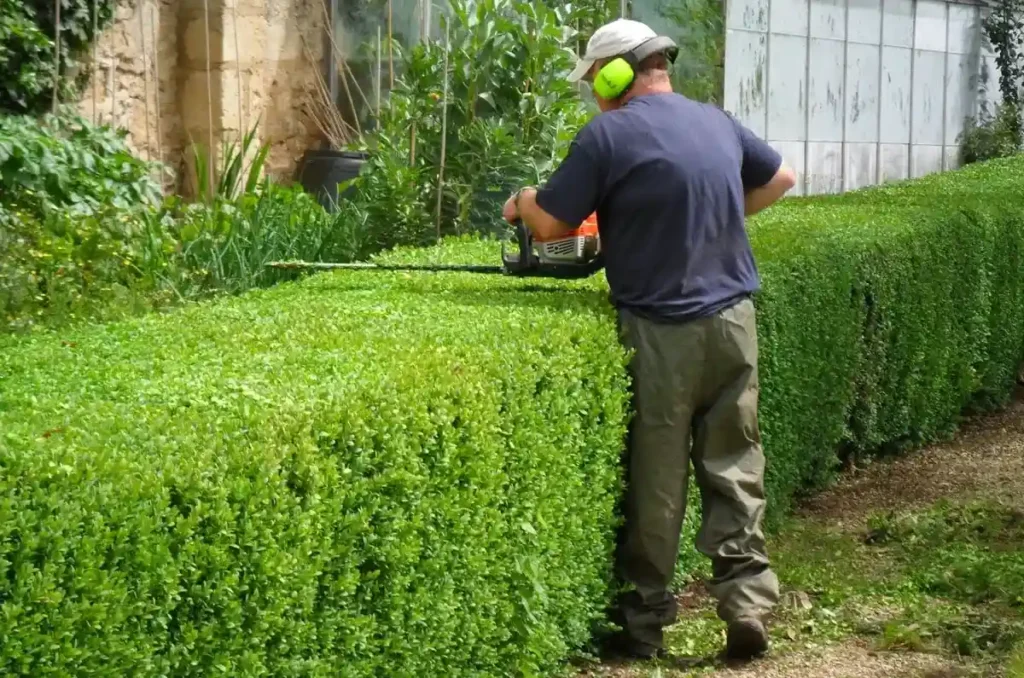
Finding the best time for hedge tri on species, growth cycles and seasonal weather. Proper timing improves hedge structure, ensures clean cuts and supports long-term health. Like many parts of the UK, areas such as Bournemouth, Poole and Christchurch experience shifting climates that make timing even more important for safe, reliable and attractive hedge trimming.
Why Timing Matters for Healthy Hedge Care
Correct timing determines how well hedges respond after trimming. With varying hedge trimming UK conditions, weather changes can either support clean growth or weaken new shoots. Trimming at poorly chosen times may slow regrowth or damage foliage. TreeSol often guides homeowners to plan trimming around stable, mild periods, ensuring hedges stay healthy, dense and visually uniform throughout the year regardless of local climate conditions.
Hedge Growth Cycles in the UK
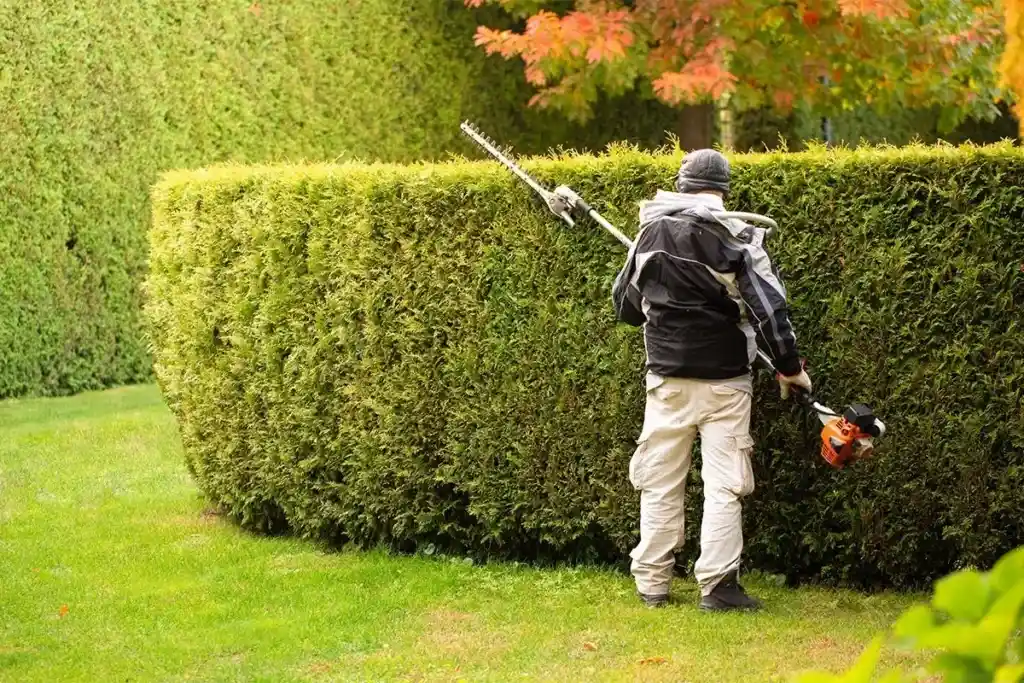
Understanding natural hedge growth cycles UK helps predict ideal trimming windows. Growth varies by species and season, influencing how quickly hedges recover after cuts. Evergreen, deciduous and fast-growing hedges all respond differently, making growth cycle knowledge essential for maintaining long-term structure and density. Timing cuts around these cycles ensures healthier results.
Hedge Growth Cycles UK Explained
In the UK, hedge growth accelerates in spring and early summer before slowing in autumn. Knowing hedge growth cycles UK helps identify when hedges can be trimmed without stressing the plant. Spring produces fresh shoots that respond quickly, while autumn allows shaping before winter dormancy. Winter trimming is only suitable when frost is minimal. Adjusting to these cycles ensures smoother, healthier hedge development.
Hedge Health and Regrowth
Proper timing promotes strong hedge health and regrowth. Trimming during active growth seasons helps hedges develop fuller foliage and maintain lush density. Cutting too early removes new buds, while trimming too late delays recovery. Moisture, temperature and daylight hours all influence regrowth quality. By aligning trimming with favourable conditions, homeowners enjoy healthier, thicker and more uniform hedges.
When Not to Trim Hedges UK
Knowing when not to trim hedges in the UK prevents long-term damage. Extreme heat causes leaf scorch, heavy rain softens branches and frost weakens stems. Early spring should also be avoided because new shoots are fragile. Trim during unfavourable conditions and hedges may become patchy or stressed. Avoiding these periods protects both hedge structure and overall health.
Understanding Hedge Cutting Seasons in the UK
Different hedge cutting seasons in the UK offer different advantages. Spring supports light shaping, summer works for moderate maintenance and autumn is ideal for major structural cuts. Winter trimming is possible but limited by frost. Understanding how each season affects growth creates a reliable trimming schedule for healthier hedges.
Hedge Cutting Seasons UK Overview
Each season affects trimming outcomes differently. In spring, hedges grow rapidly, making them suitable for shaping but restricted by nesting laws. Summer trimming must avoid heat stress. Autumn offers cooler temperatures and stable growth, ideal for structural work. Winter trimming suits evergreens during mild spells. Knowing the hedge cutting seasons UK helps manage hedge size and strength effectively.
Seasonal Hedge Care for Healthier Hedges
Seasonal hedge care ensures hedges stay strong throughout the year. Spring requires caution due to rapid growth and wildlife protection laws. Summer trimming requires moderate cuts to avoid scorching. Autumn is perfect for shaping and preparing shrubs for winter. Winter requires mild days to avoid frost damage. Adapting trimming to weather patterns ensures consistent density and long-term resilience.
UK Hedge Trimming Guide: Species-Specific Timing
Following a UK hedge trimming guide helps determine the best timing for each hedge type. Evergreens such as laurel respond well to early summer and autumn trimming. Deciduous hedges like beech and hornbeam benefit from late summer shaping. Fast-growing species may need two to three trims annually. Adjusting timing by species ensures better density and smoother regrowth.
Bird Nesting Season and Hedge Trimming Laws UK
Wildlife laws strongly influence hedge trimming timing. The UK protects active nests, which affects when trimming can legally occur. From March to August, all hedge cutting must follow strict guidelines to avoid disturbing wildlife. Understanding these laws is essential for safe and responsible trimming.
Bird Nesting Season Hedges
Bird nesting season hedges must be approached carefully. From March to August, many bird species build nests in hedge foliage. Heavy trimming is restricted to protect wildlife. Light shaping may be possible if no nests are present, but thorough inspection is required. Avoiding major cuts ensures compliance with national laws and supports local biodiversity.
Hedge Trimming Laws UK
Hedge trimming laws UK state that disturbing active nests is illegal under the Wildlife and Countryside Act. Homeowners and contractors must avoid trimming hedges that contain nests. Local councils may issue penalties for violations. Understanding these laws helps ensure responsible trimming and protects wildlife across Bournemouth, Poole, Christchurch and Dorset.
Safe Trimming Practices During Nesting Season
During nesting season, trimming should be minimal and focused on safety or access needs. Inspect hedges thoroughly before trimming. Avoid deep cuts and structural shaping until the nesting period ends. After August, trimming can resume normally. These practices protect wildlife and ensure hedges remain healthy and legally maintained.
The Best Times of Year to Trim Hedges in the UK
Choosing the best time for hedge trimming in the UK involves balancing growth cycles, weather patterns and legal restrictions. For most hedges, early summer and early autumn provide ideal trimming windows. These periods support strong regrowth, clean cuts and healthier structure.
When to Trim Hedges UK
The when to trim hedges UK guidelines recommend trimming after the nesting season and before harsh winter conditions. June, September and early October are ideal for shaping, reducing stress and supporting strong regrowth. Early spring trimming should be avoided due to fragile buds and wildlife laws. Choosing these windows maintains hedge strength and appearance.
Best Time for Formal, Shaped and Privacy Hedges
Formal hedges, such as box or yew, require precise cuts and benefit from summer and early autumn trimming. Fast-growing privacy hedges may require two trims: one after peak growth in early summer and another in early autumn. Shaped hedges respond best to mild weather, ensuring neat lines and strong regrowth heading into winter.
Weather Considerations for Hedge Trimming UK
Weather significantly influences trimming success. Dry, mild days support clean cuts and quick recovery. Wet, windy or extremely hot conditions weaken hedges and create poor results. Understanding hedge trimming UK weather considerations ensures safer trimming and longer-lasting outcomes. Planning around stable conditions preserves hedge density and overall appearance.
Hedge Maintenance UK: Keeping Hedges Healthy Year-Round
Consistent hedge maintenance UK helps hedges stay strong, dense and visually appealing throughout the year. Proper care includes trimming, watering, feeding and monitoring for disease. Following seasonal care routines prevents overgrowth and encourages healthier, fuller hedges.
Hedge Maintenance UK Basics
Maintenance routines involve trimming at the right times, feeding during growing seasons and watering during dry spells. Hedge maintenance UK also includes checking for pests and disease. Consistent care reduces long-term problems and encourages thicker, healthier growth. Proper maintenance keeps hedges sturdy and attractive across all seasons.
Tips for Strong Regrowth Throughout the Year
To support healthy regrowth, trim lightly in spring and shape more deeply in autumn. Apply fertilizer in early summer and ensure hedges receive adequate water during dry periods. Remove dead or damaged branches regularly. These practices encourage strong, dense growth and maintain long-term hedge health.
Hedge Trimming Services for Long-Term Results
Professional hedge trimming services provide expertise in timing, technique and plant care. Specialists understand species needs and local climate conditions. They ensure hedges maintain proper shape, density and structure. Hiring experts reduces risks and ensures consistent, attractive results throughout the year.
Local Insights: Bournemouth, Poole, Christchurch & Dorset
Local climates influence trimming timings and outcomes. Coastal winds, humidity and storm exposure create unique challenges across Dorset. Tailored approaches ensure healthier hedges across the region.
Hedge Trimming Bournemouth
Hedge trimming Bournemouth requires working around strong coastal winds and salt exposure. These factors can stress hedges during trimming. Mild, dry days are ideal for achieving clean, stable results. Local gardeners often prioritise regular maintenance due to fast coastal growth.
Hedge Trimming Poole
With varied soil types and sheltered gardens, hedge trimming Poole often focuses on moisture management and shaping for privacy. Seasonal adjustments ensure hedges withstand humidity and retain thickness. Timing trimming around stable conditions helps preserve hedge structure.
Hedge Trimming Christchurch
Hedge trimming Christchurch involves dealing with rapidly shifting weather and storm exposure. Choosing calm, mild periods prevents trimming damage and encourages faster recovery. Regular trimming supports hedge resilience throughout fluctuating conditions.
Hedge Maintenance Services Dorset
Professional hedge maintenance services Dorset tailor trimming schedules to local weather patterns. They understand soil variations and growth cycles across Dorset’s coastal and inland areas. This ensures hedges remain healthy, stable and visually appealing all year.
Hedge Cutting Bournemouth & Dorset
Local demand for hedge cutting Bournemouth and hedge cutting Dorset remains high due to shifting weather and rapid hedge growth. Timely trimming ensures strong structure and reliable density. Local services help homeowners achieve consistent year-round results.
Choosing the Best Time for Safe, Healthy Hedge Trimming
Understanding timing, species needs and weather patterns helps identify the best time for hedge trimming UK. Avoiding extreme conditions, following wildlife laws and trimming during mild seasons ensures healthier, stronger and better-shaped hedges. Planned trimming supports long-term hedge stability and garden appeal across Dorset.
Why Choose Us – TreeSol for Hedge Trimming
TreeSol provides reliable, weather-aware hedge trimming services tailored to each hedge type and season. Our team understands local climate patterns across Bournemouth, Poole, Christchurch and Dorset. We use precise techniques to promote healthier regrowth and consistent shaping. With experience across all hedge species, TreeSol ensures safer, cleaner and more efficient hedge trimming that enhances every garden.
Contact Us
For expert hedge trimming, seasonal maintenance or tailored hedge care advice, contact us today. We offer free quotes and professional support across Dorset. Whether you need shaping, trimming or complete hedge maintenance, our team is ready to help keep your garden looking its best all year round.
FAQs
What Is The Best Time Of Year To Trim Hedges In The Uk?
The best time to trim most hedges is late spring to early summer and again in early autumn. These periods offer mild weather, active growth and minimal stress on plants.
Can I Trim Hedges During Bird Nesting Season?
Trimming should be avoided between march and august unless you are certain no active nests are present. It is a legal requirement to protect nesting birds under uk wildlife laws.
Is It Okay To Trim Hedges In Winter?
Winter trimming is possible on mild, frost-free days, especially for evergreens. Avoid trimming during hard frost because branches become brittle and may suffer long-term damage.
What Happens If I Trim Hedges In The Wrong Season?
Trimming at the wrong time can slow regrowth, weaken hedge structure and cause patchy foliage. In extreme weather, it may even lead to plant stress or dieback.
Is Autumn A Good Time For Hedge Trimming?
Autumn is one of the best trimming seasons. Cooler temperatures and steady growth make it ideal for shaping and structural cuts before winter dormancy sets in.
Can Trimming Hedges Too Often Damage Them?
Yes. Over-trimming can weaken hedge structure, reduce density and cause stress, especially during hot or dry weather. Allow enough time between trims for healthy regrowth.