How Professional Tree Care Supports Healthy and Safe Trees
Tree surgery, also known as arboriculture, is a specialist discipline focused on maintaining trees in a healthy, stable and safe condition. It goes far beyond cutting branches and instead works with a tree’s natural biological processes. In the UK, trees often grow in confined residential and urban spaces where weather exposure, nearby buildings and restricted root zones create challenges. Professional care ensures trees continue to thrive while remaining structurally sound and safe for their surroundings.
Why Tree Health and Safety Must Be Managed Together
Tree health and safety are closely linked and should never be treated separately. A tree may appear healthy on the outside while suffering from internal decay, weak branch unions or root instability. When these issues are ignored, they can lead to sudden failures that threaten people and property. Managing health and risk together allows problems to be addressed early, ensuring trees remain strong while reducing the likelihood of falling limbs or structural collapse over time.
How Professional Tree Care Supports Long-Term Health
Long-term tree health is achieved through proactive management rather than reactive cutting. Professional care focuses on identifying stress, imbalance and early signs of decline before they develop into serious problems. By guiding natural growth and removing only what is necessary, trees are able to recover effectively and adapt to their environment. This approach supports longevity, improves resilience to weather and reduces the need for emergency work later in a tree’s life.
Managing Disease and Pest Problems Effectively
Trees in the UK are vulnerable to fungal infections, decay and pest activity, particularly in built-up areas. When infected or diseased wood is not dealt with promptly, problems can spread through the tree and into nearby vegetation. Carefully removing affected sections limits further damage and allows the tree to redirect energy towards healthy growth. Early intervention also reduces the need for heavy pruning or removal, preserving the tree wherever possible.
Encouraging Strong and Sustainable Growth
Healthy growth relies on a balance of sunlight, airflow and structural stability. Overcrowded canopies restrict light and trap moisture, which weakens inner branches and encourages disease. Selective thinning improves air circulation and allows sunlight to reach the centre of the tree. This supports photosynthesis and promotes evenly distributed growth. As a result, trees develop stronger branch structures and are better equipped to cope with wind and seasonal weather changes.
Structural Training for Young Trees
Young trees benefit greatly from early guidance that shapes their future structure. Formative pruning helps establish a strong central leader and evenly spaced branches, reducing the risk of weak joints developing later. Without early training, trees can grow unevenly, leading to long-term instability. Addressing structure while a tree is young limits the need for corrective work in maturity and supports safer, healthier growth throughout its lifespan.
Root and Soil Care: The Hidden Foundation
Tree health depends as much on what happens below ground as above it. Compacted soil, poor drainage and restricted root space weaken a tree’s ability to absorb nutrients and remain stable. Professional care may include soil aeration, mulching or selective root management to improve conditions. Strong root systems support healthy growth, increase resistance to high winds and help trees cope better with drought, heavy rainfall and environmental stress.
Reducing Safety Risks in Residential and Urban Areas
In residential streets and gardens, trees often stand close to homes, roads and footpaths. This makes risk management essential. Regular inspections and well-timed maintenance reduce the chance of branches failing unexpectedly. Safety-focused care does not mean removing trees unnecessarily, but rather managing their structure responsibly. This approach protects people and property while allowing trees to continue providing environmental and visual benefits.
Removing Hazardous and Weak Branches
Dead, dying or weakened branches are one of the most common causes of tree-related accidents. These limbs can fall without warning, especially during high winds or heavy rain. Removing them eliminates immediate danger and reduces strain on the remaining structure. This improves overall balance and ensures surrounding areas remain safe for everyday use, particularly in gardens, public spaces and near buildings.
Preparing Trees for Storms and High Winds
Storm damage is often linked to overgrown or unbalanced canopies. Strategic reduction and thinning reduce weight and wind resistance, making trees more flexible during storms. This preparation helps prevent large branches from breaking or entire trees from failing. Proactive work carried out in advance is far more effective than dealing with damage after severe weather and plays a key role in long-term safety planning.
Providing Structural Support Where Needed
Some mature or valuable trees naturally develop weak forks or heavy limbs that cannot be removed without harming the tree. In these cases, bracing or cabling systems can provide additional support. These systems allow natural movement while reducing the risk of splitting or collapse. Structural support helps preserve trees that would otherwise be unsafe, extending their lifespan while maintaining safety.
Managing Clearance and Access Safely
Trees growing near roads, footpaths or buildings can obstruct access or visibility. Crown lifting removes lower branches to provide safe clearance for pedestrians, vehicles and overhead lines. This improves safety and functionality without compromising the tree’s overall health. Proper clearance management is particularly important in urban areas, where trees and infrastructure must safely coexist.
Emergency Response After Storm Damage
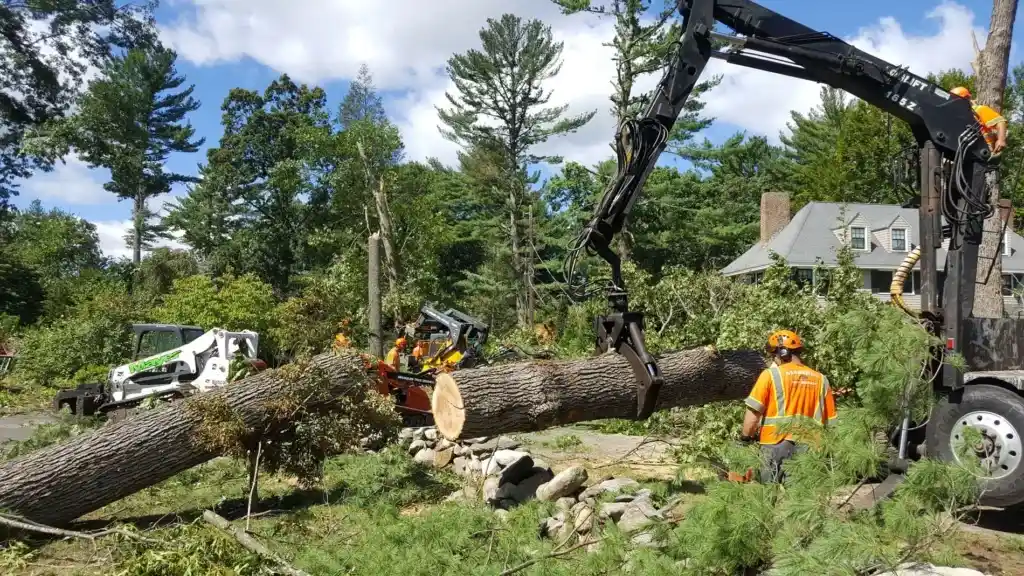
Despite preventative care, extreme weather can still cause sudden damage. Fallen or unstable trees can present immediate risks that require urgent attention. Emergency response focuses on making the area safe, removing dangerous material and assessing whether the tree can recover. Quick, professional action limits further damage and helps determine the most appropriate long-term solution.
Key Techniques Used in Professional Tree Care
Modern arboriculture relies on specific techniques chosen according to each tree’s condition and environment. These methods aim to protect health, manage size and reduce risk while maintaining natural form and structure.
Crown Thinning for Light and Airflow
Crown thinning involves selectively removing smaller internal branches to improve airflow and light penetration. This reduces wind resistance and helps prevent moisture build-up that can lead to disease. The tree’s natural shape is maintained while overall health and resilience are improved, making this technique suitable for many mature trees.
Crown Reduction for Size and Weight Control
Crown reduction carefully reduces a tree’s overall height and spread by cutting back to suitable growth points. This helps manage size, reduce weight and lower stress on weak limbs. When carried out correctly, the tree retains a balanced, natural appearance while becoming safer and easier to manage.
Deadwood Removal for Safety and Health
Deadwood removal focuses on eliminating lifeless or decaying branches that pose safety risks. These branches offer no benefit to the tree and are often the first to fail during storms. Removing them improves safety, appearance and overall tree health while reducing the likelihood of disease spreading.
Formative Pruning for Long-Term Strength
Formative pruning shapes young trees to encourage strong structure and balanced growth. By addressing potential weaknesses early, this technique reduces future risk and the need for heavy corrective work. It is one of the most effective ways to support sustainable, long-term tree development.
Bracing and Support Systems
Bracing systems provide additional strength to weak joints or heavy limbs without removing them. Flexible supports allow natural movement while reducing stress on vulnerable areas. This approach preserves valuable trees and improves safety, particularly for mature specimens with historical or environmental value.
Stump Grinding for Safe Reuse of Space
After a tree is removed, stump grinding eliminates the remaining base below ground level. This prevents regrowth, removes trip hazards and allows the area to be reused safely. It also improves appearance and makes space suitable for landscaping, planting or paving.
Long-Term Benefits of Professional Tree Care
Consistent professional care extends a tree’s lifespan, reduces emergency risks and protects property value. Proactive management is more cost-effective than reactive solutions and supports healthier urban environments. Well-maintained trees contribute positively to landscapes while remaining safe and stable throughout their life.
A Balanced Approach to Tree Health and Safety
Effective tree care is about balance. Supporting natural growth while managing risk requires knowledge, experience and careful planning. When biological understanding is combined with practical techniques, trees can thrive safely even in challenging environments. Long-term, thoughtful care benefits trees, people and property alike.
Why Choose TreeSol For Tree Surgery
TreeSol focuses on responsible, long-term tree management rather than unnecessary cutting. Our approach combines scientific understanding with practical experience to maintain tree health and safety. TreeSolutions works carefully to preserve trees wherever possible while ensuring they remain structurally sound and suitable for their surroundings.
Contact Us
If you have concerns about the health or safety of your trees, contact us today. We provide professional assessments, clear advice and reliable solutions tailored to your needs. Get in touch for a free quote and ensure your trees receive the right care at the right time.