
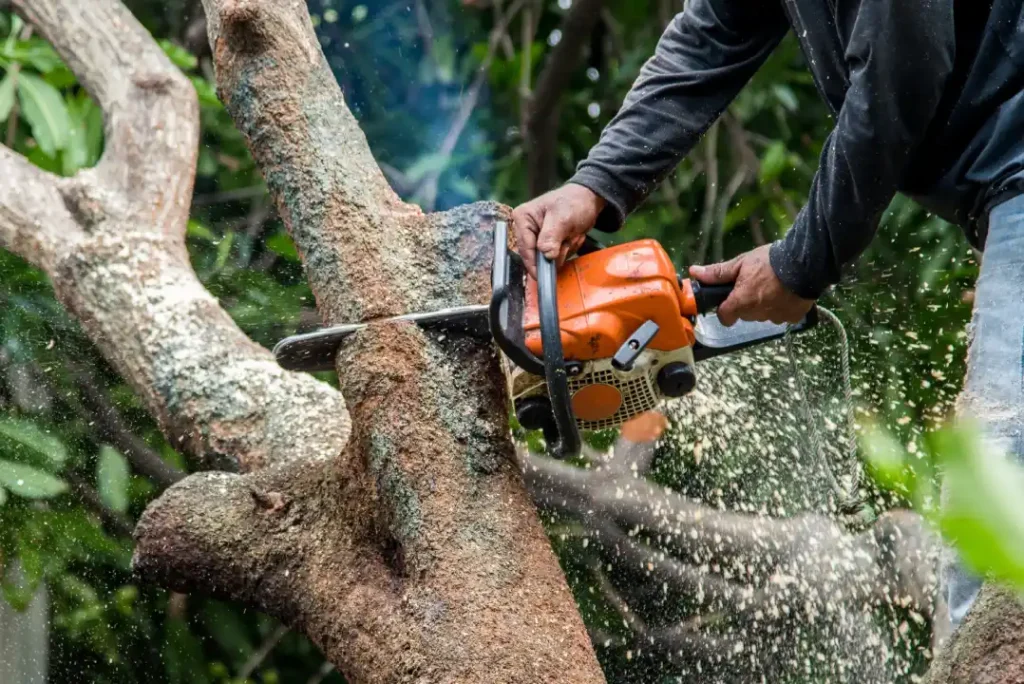
Tree preservation laws exist to protect important trees and green spaces, but for homeowners they can feel confusing. Many people assume that if a tree is in their garden, they are free to cut or remove it. In the UK, that is not always true.
If you own a property in Bournemouth or nearby areas, understanding tree preservation laws before carrying out any work can help you avoid fines, delays, and unnecessary stress. This guide explains how the rules work, what they mean for homeowners, and when you should seek professional advice.
Why Tree Preservation Laws Matter for Homeowners
Tree preservation laws are designed to protect trees that offer environmental, visual, or community value. These laws apply to both public land and private gardens.
For homeowners, the risk is simple:
carrying out work without permission, even by mistake, can lead to enforcement action and fines.
This is especially relevant in places like Bournemouth, where mature trees and conservation areas are common.
What Are Tree Preservation Laws in the UK?
Tree preservation laws are national rules that allow local councils to protect specific trees or areas. They are enforced by local planning authorities and apply whether you own the land or not.
These laws control:
- Tree removal
- Pruning and cutting back
- Damage to roots or structure
Ownership does not remove responsibility. If a tree is protected, you must follow the law before doing any work.
What Is a Tree Preservation Order (TPO)?
A Tree Preservation Order, often called a TPO, is a legal order placed on a tree or group of trees. It prevents unauthorised work that could damage or destroy them.
A TPO can apply to:
- A single tree
- A group of trees
- Woodlands
- Trees of any size or species
Once a tree has a TPO, you usually need written permission before carrying out any work.
How Tree Preservation Orders Affect Homeowners
If a tree on your property has a TPO, your options are limited without approval.
What you usually need permission for:
- Cutting down a tree
- Heavy pruning or crown reduction
- Removing large branches
- Work that may damage roots
What may be allowed:
- Removing dead branches
- Making a tree safe in an emergency
- Light maintenance (depending on circumstances)
Even necessary safety work may still require proof and notification after the work is done.
Tree Preservation Laws in Bournemouth: What’s Different Locally?
Tree protection in Bournemouth is handled by Bournemouth, Christchurch and Poole Council.
The council:
- Issues Tree Preservation Orders
- Manages conservation areas
- Reviews applications for tree work
- Enforces breaches of tree law
Many residential areas in Bournemouth fall within conservation zones, where additional controls apply even if there is no individual TPO.
This means homeowners must check both:
- Whether the tree has a TPO
- Whether the property is in a conservation area
Do You Need Council Permission to Cut or Prune a Tree?
In many cases, yes.
You normally need permission if:
- The tree has a TPO
- The tree is in a conservation area
- The work goes beyond basic maintenance
You may not need permission if:
- The tree is not protected
- The work is minor and does not change the structure
- There is an immediate safety risk (evidence may still be required)
When in doubt, checking first is always safer than acting and explaining later.
What Happens If You Cut a Protected Tree Without Permission?
Carrying out unauthorised work on a protected tree is taken seriously.
Possible consequences include:
- Fines of up to £20,000 per tree
- Legal action
- Orders to replace the tree
- Delays to future property work or sales
“I didn’t know” is not accepted as a defence. Homeowners are expected to check before starting work.
How to Check If a Tree Is Protected
Before arranging any tree work, you should confirm whether the tree is protected.
Steps you can take:
- Check local council tree maps and registers
- Confirm whether your property is in a conservation area
- Ask the council planning department for guidance
- Speak to a professional tree surgeon or arborist
A quick check can save weeks of delays and serious costs.
When to Speak to a Professional Tree Surgeon or Arborist
Professional advice is especially important when:
- A tree may be protected
- You are unsure about the level of work allowed
- The tree is close to buildings or roads
- There is storm damage or safety risk
An experienced professional can:
- Assess whether permission is required
- Help prepare applications if needed
- Carry out work safely and legally
This protects both the tree and you as the homeowner.
Quick Summary: Tree Preservation Laws at a Glance
| Situation | Permission Needed? |
|---|---|
| Tree has a TPO | Yes |
| Tree in conservation area | Usually yes |
| Minor deadwood removal | Sometimes |
| Emergency safety work | Often allowed, evidence needed |
| Unprotected tree | Usually no |
Key Takeaways for Homeowners
- Owning a tree does not mean you can remove it freely
- Tree Preservation Orders override private ownership
- Bournemouth has strong local enforcement
- Checking first avoids fines and delays
- Professional advice reduces legal risk
Final Thoughts
Tree preservation laws are there to protect valuable trees, but for homeowners they can quickly become a source of confusion. The rules are not always obvious, and in places like Bournemouth, local protections and conservation areas add another layer to consider.
Taking a few minutes to check whether a tree is protected can save you from costly mistakes, delays, and legal trouble. When you are unsure, getting the right advice before starting work is always the safer option.
Need Advice Before Carrying Out Tree Work?
If you’re planning tree work and want to avoid legal or council issues, getting clarity before you start is the smartest move.
Tree Sol helps homeowners in Bournemouth understand whether a tree is protected, what work is allowed, and how to move forward without risk. From simple checks to professional assessments and compliant tree work, we make the process clear and straightforward.
Speak to Tree Solutions today for practical advice before any tree work begins and avoid costly mistakes later.
FAQs
Can I cut down a tree in my garden if I own it?
No, not always. If the tree is protected by a Tree Preservation Order or is in a conservation area, you usually need council permission first.
Are all trees in Bournemouth protected?
No. Only trees with a TPO or those in conservation areas are protected, but many areas in Bournemouth fall under these rules.
What counts as emergency tree work?
Emergency work usually means action needed to remove immediate danger, such as storm damage. Evidence may still be required after the work.
How long does council permission take?
Applications are often reviewed within several weeks, but timelines can vary depending on the case and workload.
Should I get advice before applying for permission?
Yes. A professional assessment can prevent rejected applications and help ensure work is lawful and appropriate.