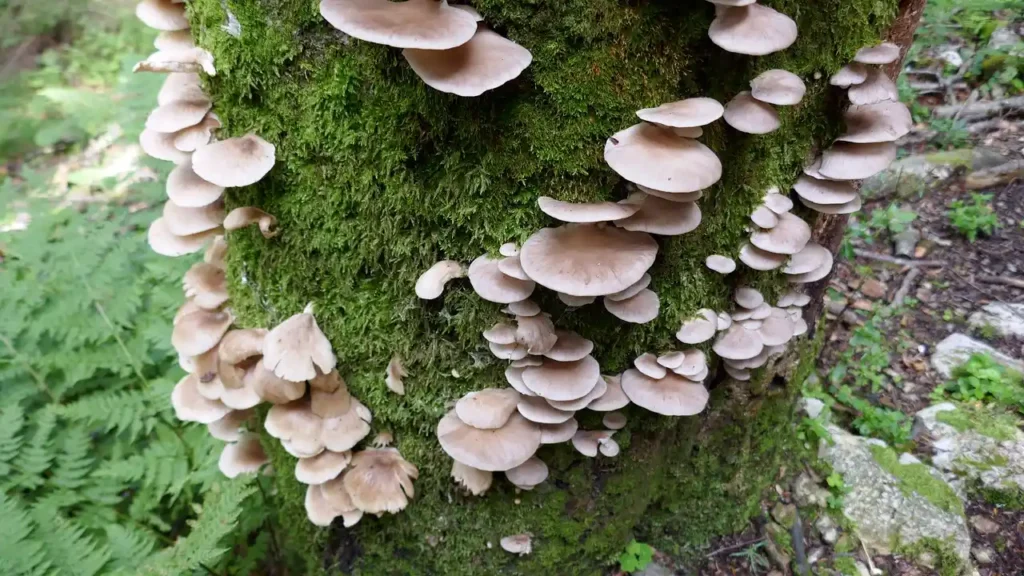
Fungal growth on trees is usually caused by excess moisture, internal decay, or damage to the tree’s bark. In Dorset gardens, coastal conditions, damp soil, and seasonal weather changes create the ideal environment for fungal infections to develop.
While some fungi are harmless, others can indicate serious structural problems within a tree. Understanding the causes and knowing when to act can help prevent long-term damage and keep your garden safe.
What Does Fungal Growth on a Tree Mean?
Fungus on a tree is often a sign that something is not quite right beneath the surface. Trees naturally host microorganisms, but visible fungal growth usually appears when the tree is stressed, damaged, or decaying internally.
Is tree fungus a sign of decay?
In many cases, yes. Fungi feed on organic matter, which means they often grow where wood is already breaking down. This can indicate internal decay that may weaken the tree’s structure over time.
Is fungus on trees always dangerous?
Not always. Some surface fungi are harmless and do not affect the tree’s stability. However, certain types, especially those growing from the trunk or base, can signal deeper structural issues that should not be ignored.
Common Causes of Fungal Growth on Trees
Understanding the root cause is essential for proper treatment. In Dorset, several environmental and maintenance factors contribute to fungal problems.
Excess moisture and poor drainage
Dorset’s climate is often damp, particularly in coastal areas like Bournemouth and Poole. Waterlogged soil creates the perfect conditions for fungal spores to thrive.
Damaged or wounded bark
Cuts, cracks, or injuries to a tree’s bark allow fungi to enter and spread. This can happen during storms, improper pruning, or accidental damage.
Dead or decaying wood
Fungi naturally grow on dead organic material. If a tree has dead branches or internal decay, it becomes a prime target for fungal growth.
Coastal weather conditions
Salt-laden air and high humidity levels near the Dorset coast can weaken trees, making them more vulnerable to disease and infection.
Lack of regular maintenance
Neglected trees are more likely to develop problems. Without proper pruning and care, small issues can escalate into fungal infections.
Types of Fungal Growth Found on Trees
Different types of fungi affect trees in different ways. Recognising them early can help determine the severity of the issue.
Bracket fungus
Often seen as shelf-like growths on the trunk, bracket fungi usually indicate internal decay. By the time they appear, the damage inside the tree may already be advanced.
Honey fungus
A common and aggressive fungal disease in the UK, honey fungus spreads through the soil and attacks roots. It can quickly kill trees and nearby plants.
Root rot fungi
These fungi affect the roots and are often linked to poor drainage. Symptoms may not be visible until the tree begins to decline.
Surface fungi
Some fungi grow only on the surface and feed on organic debris. These are generally less harmful but still worth monitoring.
Signs Your Tree May Have a Fungal Infection
Spotting early warning signs can prevent serious damage. Look out for:
- Mushrooms growing around the base of the tree
- Cracks, splits, or peeling bark
- Dead or dying branches
- Sparse or discoloured leaves
- Soft, hollow, or brittle wood
If you notice one or more of these signs, it is advisable to investigate further or seek professional advice.
Why Fungal Tree Problems Are Common in Dorset Gardens
Dorset’s environment plays a major role in tree health. Several local factors increase the likelihood of fungal growth:
- High humidity due to coastal air
- Frequent rainfall, especially in autumn and winter
- Dense garden layouts, which limit airflow
- Soil conditions that may retain moisture
In areas such as Bournemouth, Christchurch, and Poole, these conditions combine to create an environment where fungal diseases can develop more easily than in drier regions.
Is Fungal Growth on Trees Dangerous?
Fungal growth can range from harmless to hazardous, depending on the type and extent of infection.
Risk to property and safety
Trees weakened by decay are more likely to lose branches or collapse, particularly during strong winds or storms.
Risk of tree failure
Internal decay caused by fungi can compromise the structural integrity of a tree, even if it looks healthy on the outside.
Spread to nearby trees
Certain fungi, such as honey fungus, can spread underground and infect other plants and trees in your garden.
How to Treat Fungal Growth on Trees
Treatment depends on the severity of the infection and the type of fungus involved.
Pruning infected areas
Removing affected branches can help prevent the spread of infection and improve the tree’s overall health.
Improving soil drainage
Ensuring proper drainage reduces excess moisture, making the environment less favourable for fungal growth.
Removing dead wood
Clearing away dead or decaying material limits the food source for fungi.
Professional tree inspection
A qualified arborist can assess the extent of the problem and recommend the most appropriate treatment.
When Should You Remove a Tree with Fungus?
In some cases, removal is the safest option. This may be necessary if:
- The tree has extensive internal decay
- It poses a risk to nearby buildings or people
- The infection cannot be controlled
- The tree is already dying or unstable
Removing a tree at the right time can prevent further damage and reduce safety risks.
How to Prevent Fungal Growth on Trees
Prevention is always better than cure. Regular care can significantly reduce the risk of fungal infections.
Regular maintenance
Routine pruning and inspections help identify problems early.
Proper pruning techniques
Avoid damaging the tree and ensure clean cuts to minimise infection risk.
Monitoring soil conditions
Avoid overwatering and improve drainage where necessary.
Early detection
Addressing small issues quickly can prevent them from developing into serious problems.
When to Call a Tree Surgeon in Dorset
If you are unsure about the condition of your tree, it is best to seek professional advice. You should consider contacting a tree surgeon if:
- Fungus is spreading or increasing
- The tree appears unstable or unsafe
- You notice significant decay or damage
- You are unsure whether the tree can be saved
Local expertise is particularly important, as Dorset’s unique conditions require tailored care.
Final Thoughts: Protecting Your Trees in Dorset
Fungal growth on trees is a common issue in Dorset gardens, largely due to damp conditions, coastal weather, and environmental factors. While not all fungi are harmful, many are early warning signs of deeper problems that should not be ignored.
Taking action early, maintaining your trees properly, and understanding the risks can make a significant difference in preserving the health and safety of your outdoor space.
For homeowners in Bournemouth, Poole, Christchurch, and surrounding areas, expert support can provide peace of mind. Tree Solutions offers professional tree inspections, maintenance, and safe removal services, helping you protect your trees and your property all year round.
FAQs About Tree Fungus
What causes fungal growth on trees in Dorset gardens?
Fungal growth is usually caused by excess moisture, poor drainage, or damage to the tree’s bark. Dorset’s damp climate and coastal conditions make it easier for fungal spores to develop and spread.
Is fungus on a tree always a sign of a problem?
Not always. Some fungi grow on dead material and are harmless. However, fungus on the trunk or near the base can indicate internal decay and should be checked by a professional.
Can a tree survive a fungal infection?
Yes, if the infection is mild and treated early. Pruning affected areas and improving growing conditions can help. Severe infections, especially those affecting the roots or trunk, are harder to recover from.
How can I tell if tree fungus is dangerous?
Fungus may be dangerous if you notice signs like hollow wood, large cracks, dead branches, or mushrooms growing at the base. These can indicate structural weakness and a higher risk of tree failure.
Should I remove a tree with fungus?
Tree removal is only necessary if the fungus has caused significant decay or made the tree unsafe. A qualified tree surgeon can assess whether the tree can be saved or needs to be removed.