
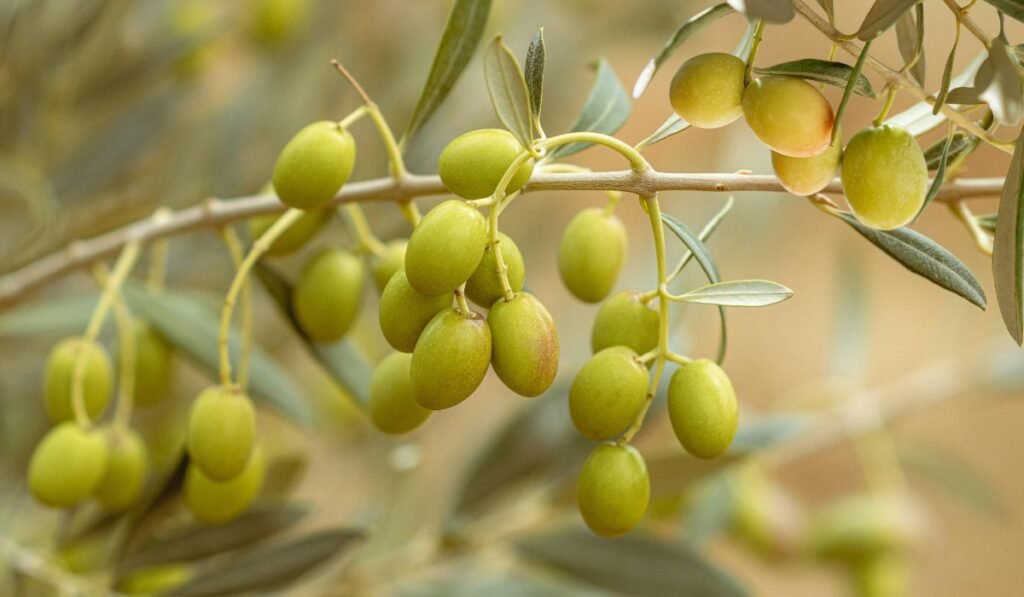
Olive trees bring a timeless Mediterranean touch to British gardens, with their silvery-green leaves, elegant form, and long life. However, maintaining their beauty and health requires regular tree pruning. The UK’s cooler, wetter climate means that pruning olive trees must be timed carefully to prevent frost damage and encourage healthy growth.
In this comprehensive guide, Tree Solutions explains when and how to prune olive trees in the UK, including expert tips, seasonal care advice, and common mistakes to avoid.
Why Olive Tree Pruning Is So Important
Pruning is not just about appearance, it’s an essential horticultural practice for the long-term health of your olive tree.
1. Promotes Healthy Growth
Olive trees can grow densely, leading to poor air circulation and reduced sunlight inside the canopy. This can cause mold, pests, or weak branches. Regular pruning opens up the structure, allowing fresh air and light to reach all parts of the tree.
2. Encourages Fruit Production
Olive trees bear fruit on the previous year’s growth. If not pruned properly, they can become crowded, reducing fruit yield. Pruning helps the tree focus its energy on new shoots and healthy fruiting branches.
3. Prevents Disease and Decay
Dead or diseased wood can spread infection throughout the tree. Removing weak or rotting branches helps maintain overall tree health and prevents pest infestation.
4. Improves Aesthetic Shape
For ornamental olive trees commonly grown in the UK, pruning enhances their symmetry and maintains a beautiful, balanced form that complements the landscape.
The Best Time to Prune Olive Trees in the UK
Olive trees are native to the Mediterranean, where winters are mild and summers are hot and dry. In contrast, the UK’s winters can be harsh, so the timing of pruning is critical to protect your tree from cold damage.
1. Late Spring (April to Early June): The Ideal Period
The optimal time to prune olive trees in the UK is from April to early June, when:
- Frost risk has passed.
- The tree has started to grow new leaves.
- Sap flow is active, allowing wounds to heal quickly.
During this time, you can easily distinguish between live, healthy wood and any parts damaged by winter frost.
Tip: If you’re unsure whether a branch is alive, lightly scratch the bark, if it’s green underneath, it’s still healthy.
2. Light Summer Maintenance (August to Early September)
During summer, you can perform light pruning to control shape or remove small shoots. However, avoid heavy cutting as it can stress the tree before winter.
3. Avoid Pruning in Winter
Pruning in late autumn or winter exposes the tree to frost damage, as cuts remain open longer in cold, damp weather. Newly pruned sections can die back, leading to long-term harm.
How to Prune Olive Trees Step-by-Step
Pruning olive trees correctly ensures they remain vigorous and attractive. Here’s how professionals at Tree Solutions recommend you approach it:
Step 1: Inspect the Tree
Before pruning, study the tree’s overall structure. Identify dead, diseased, or crossing branches. Take note of the direction of growth, olive trees should have an open, vase-like shape.
Step 2: Remove Dead and Damaged Wood
Start by cutting out all dead, broken, or frost-damaged branches. These are often brittle or discoloured. Removing them allows the tree to redirect energy to healthy areas.
Step 3: Thin Out the Canopy
Olive trees need plenty of light in their centres. Remove any small, inward-growing branches to open up the canopy. This step improves air circulation and reduces the risk of fungal infections.
Step 4: Shape the Tree
Aim for a balanced, natural shape with three to four main branches forming the framework.
- Young trees: Focus on forming a strong structure early on.
- Mature trees: Maintain balance and remove overcrowded branches each year.
Avoid harsh cuts, olive trees respond best to gradual pruning.
Step 5: Trim Suckers and Water Shoots
Remove any shoots emerging from the base or trunk. These “suckers” divert nutrients away from the main tree and should be cut back cleanly.
Step 6: Clean Your Tools
Always use sharp, disinfected pruning tools to prevent the spread of diseases like olive knot or fungal rot.
Aftercare: Helping Your Olive Tree Recover
After pruning, your olive tree will redirect its energy toward regrowth. Support this process with simple care measures:
- Water Wisely:
- Keep the soil moist but not soggy. Overwatering can cause root rot.
- Keep the soil moist but not soggy. Overwatering can cause root rot.
- Fertilize Lightly:
- Apply a balanced, slow-release fertilizer or compost in late spring to encourage healthy regrowth.
- Apply a balanced, slow-release fertilizer or compost in late spring to encourage healthy regrowth.
- Protect from Frost:
- If frost is forecast, wrap the base with horticultural fleece or bubble wrap.
- If frost is forecast, wrap the base with horticultural fleece or bubble wrap.
- Mulch Around the Base:
- Apply organic mulch like bark chips to retain moisture and regulate soil temperature. Keep it 2–3 inches away from the trunk to prevent rot.
- Apply organic mulch like bark chips to retain moisture and regulate soil temperature. Keep it 2–3 inches away from the trunk to prevent rot.
- Monitor for Pests:
- Check regularly for scale insects or aphids, which are common after pruning.
Common Olive Tree Pruning Mistakes to Avoid
Even experienced gardeners sometimes make pruning errors. Avoid these common issues:
- Pruning too early: Frost can kill newly exposed branches.
- Over-pruning: Removing too much at once shocks the tree and delays fruiting.
- Leaving stubs: Always cut cleanly at branch junctions to promote proper healing.
- Ignoring balance: A lopsided tree is more vulnerable to wind and uneven growth.
- Not disinfecting tools: This can spread bacterial or fungal diseases quickly.
Professional Olive Tree Pruning Services in the UK
While small olive trees can be managed by homeowners, mature or large specimens require expertise. That’s where Tree Solutions can help.
With years of experience in pruning Mediterranean and ornamental trees across the UK, our certified arborists understand the unique needs of olive trees in the British climate. We use precise pruning techniques to:
- Promote structured growth
- Prevent disease and frost damage
- Enhance fruiting potential
- Maintain aesthetic appeal
Whether your tree is decorative or grown for fruit, Tree Solutions provides reliable, safe, and professional pruning and maintenance services tailored to your landscape.
Final Thoughts
Knowing when to prune olive trees in the UK is crucial for keeping them strong, healthy, and visually striking. The best time is late spring, when temperatures are mild, growth is active, and frost risk is low. Combine careful timing with proper pruning techniques and seasonal aftercare for long-term success.
Healthy olive trees not only enrich your garden’s appearance but also symbolise peace, strength, and endurance, all nurtured through mindful care and expert pruning.