
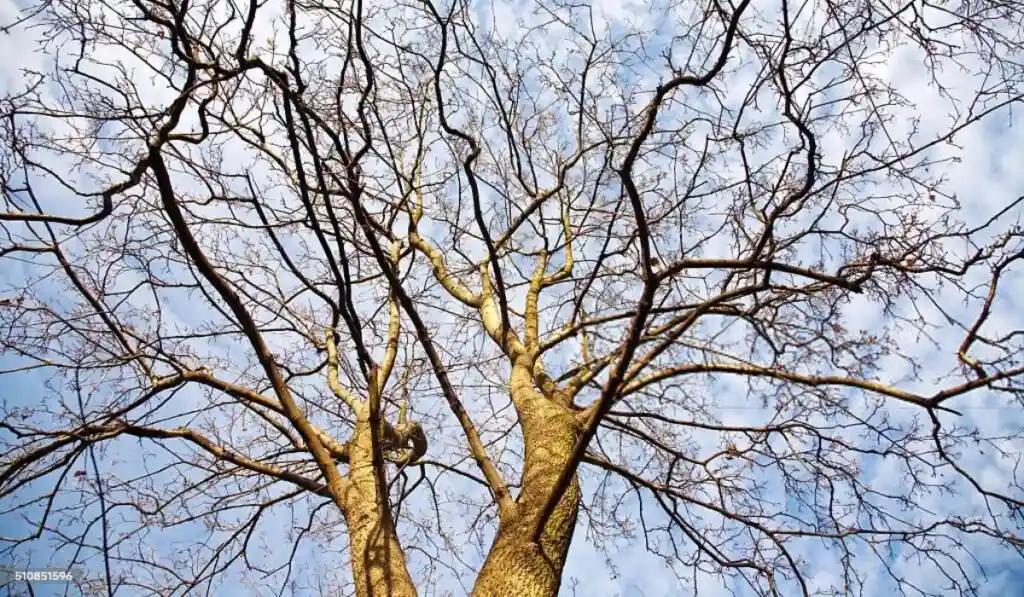
Willow trees are among the most graceful and picturesque trees in the British landscape, often seen arching elegantly over rivers, ponds, and lakes. Their soft foliage and flowing branches create a calming, almost poetic atmosphere in gardens and parks alike. However, these beautiful trees can also be surprisingly delicate. Many UK homeowners notice their willow trees beginning to weaken, lose leaves, or develop brittle limbs without understanding why. Much like the importance of timing your garden care tasks, such as When to Trim Hedges in Britain’s Changing Seasons, knowing when and how to care for your willow tree can make the difference between revival and decline.
If you’ve found yourself wondering, “Why is my willow tree dying?”, this guide from Tree Solutions explores the most common causes of poor health, how to identify them early, and the practical steps you can take to help your tree recover.
1. Water Stress: Balancing Moisture for Health
Willow trees love moisture, which is why they often grow naturally near water bodies. However, both excessive water and drought conditions can cause severe stress. Overwatering suffocates the roots, depriving them of oxygen and leading to rot, while prolonged dry spells can leave your willow dehydrated and brittle.
Signs to look for:
- Leaves turning yellow or brown before autumn
- Wilting foliage despite moist soil
- Cracked, dry soil around the base
- Sparse canopy or stunted growth
How to fix it:
Establish a balanced watering routine. For willows planted in gardens away from natural water, deep watering once or twice a week during summer can help. Avoid waterlogging by ensuring good drainage, especially important in clay-heavy UK soils. Mulching with bark or compost helps retain moisture during heatwaves and improves soil health over time.
2. Root Rot and Soil-Borne Fungal Infections
Root rot is one of the most serious threats to willow trees. It is often caused by fungi such as Phytophthora or Armillaria (commonly known as honey fungus), which thrive in damp, poorly drained soil. Once these pathogens take hold, they destroy the root system, making it impossible for the tree to absorb nutrients and water.
Warning signs:
- White or cream fungal growth under bark near the base
- Dark, decayed roots with a musty smell
- Rapid leaf drop and branch dieback
- Mushrooms or fungal clusters around the trunk
Treatment:
Unfortunately, advanced root rot is difficult to cure. However, early detection can prevent total loss. Remove infected roots and improve drainage immediately. Avoid piling mulch or soil too high against the trunk, as this traps moisture. In severe cases, a tree surgeon from Tree Solutions can assess whether root removal or soil replacement is viable.
3. Pests: Insects That Damage Willow Trees
The UK’s mild climate encourages a range of insects that feed on willow trees. While a few insects won’t cause long-term harm, repeated infestations can weaken the tree over time.
Common willow pests include:
- Willow beetles: Metallic blue-green insects that eat leaf surfaces, leaving a lace-like pattern.
- Aphids: Tiny sap-sucking insects that cluster on new shoots, causing curling and distortion.
- Sawflies and caterpillars: Feed on young leaves and can strip branches bare if uncontrolled.
What to do:
Inspect leaves and shoots regularly in spring and summer. For minor infestations, prune damaged areas and dispose of them safely. If the problem persists, biological control (like ladybirds for aphids) or horticultural oils may help. Tree Solutions can also apply targeted eco-friendly treatments to protect your willow without harming nearby wildlife.
4. Nutrient Deficiency and Poor Soil Health
Willows grow best in fertile, well-drained soil that’s rich in organic matter. In many parts of the UK, especially areas with sandy or compacted ground, the soil may lack essential nutrients such as nitrogen, potassium, or iron.
Symptoms:
- Pale or yellow leaves
- Thin canopy with weak new growth
- Leaf drop during midsummer
- Moss or algae build-up due to poor drainage
Remedy:
Start by testing your soil’s pH (willows prefer slightly acidic to neutral, around 6.0–7.0). Loosen compacted soil with aeration tools and mix in compost or well-rotted manure. Feeding the tree with a slow-release, balanced fertiliser in early spring can restore vitality and encourage lush foliage growth.
5. Improper Pruning and Structural Damage
Willow trees grow rapidly, which means they require regular but careful pruning. Over-pruning or cutting at the wrong time of year can shock the tree and expose it to disease. Similarly, damage from storms, heavy winds, or nearby construction can stress the structure.
Tips for proper care:
- Prune between late winter and early spring, before active growth begins.
- Remove dead or diseased branches first, avoiding large cuts where possible.
- Never cut more than one-third of the canopy at once.
- Seal large wounds with a natural tree dressing to prevent fungal entry.
If your willow has suffered storm damage or has major split branches, professional intervention is crucial. Tree Solutions can assess structural stability and perform corrective pruning to preserve the tree’s natural form.
6. Fungal Diseases: Black Canker, Mildew, and Leaf Spots
Willows in the UK are susceptible to several fungal infections, particularly during damp or humid seasons.
- Black canker causes dark, sunken patches on branches, often killing off small twigs.
- Powdery mildew appears as a white, dusty coating on leaves, usually in warm weather.
- Rust and leaf spot diseases leave discoloured blotches and cause premature leaf drop.
Control methods:
Prune away infected growth and disinfect pruning tools between cuts. Dispose of fallen leaves to prevent re-infection. Improve airflow through light thinning, and apply fungicidal sprays where necessary.
7. Old Age and Natural Decline
Willows are fast-growing but short-lived compared to many other UK native trees. Depending on the species, they generally live 40–75 years. As they age, the heartwood becomes brittle, and internal decay may develop, leading to dead branches or hollow trunks.
What you can do:
Monitor the tree for safety hazards, especially if it’s near paths or property. A professional inspection by Tree Solutions can determine whether selective pruning or bracing could extend its lifespan safely.
When to Call in the Experts
If you notice persistent dieback, peeling bark, or unexplained leaf loss, professional diagnosis is vital. The arborists at Tree Solutions provide in-depth assessments, disease management, pest control, and safe removal if your tree poses a risk. Acting early not only improves the chance of saving your willow but also prevents nearby trees from becoming infected.
Final Thoughts
A dying willow tree can be heartbreaking, but with prompt care and the right expertise, recovery is often possible. The key lies in understanding the cause, whether environmental, biological, or age-related, and responding appropriately.
For professional advice, tree inspections, or willow restoration services, contact Tree Solutions today. Our team of certified arborists is committed to keeping Britain’s trees strong, safe, and thriving for generations to come.